
Planning transportation for a group can feel overwhelming. Whether you’re organizing a corporate outing, wedding party, family reunion, or team-building event, the decision between hiring a coach or multiple luxury vehicles significantly impacts your experience, budget, and overall success of the event.
This guide breaks down the practical considerations, hidden costs, and real-world scenarios to help you make the right choice for your specific situation.
Understanding Your Options
Before diving into decision factors, it’s important to understand what each option actually offers in Singapore’s context.
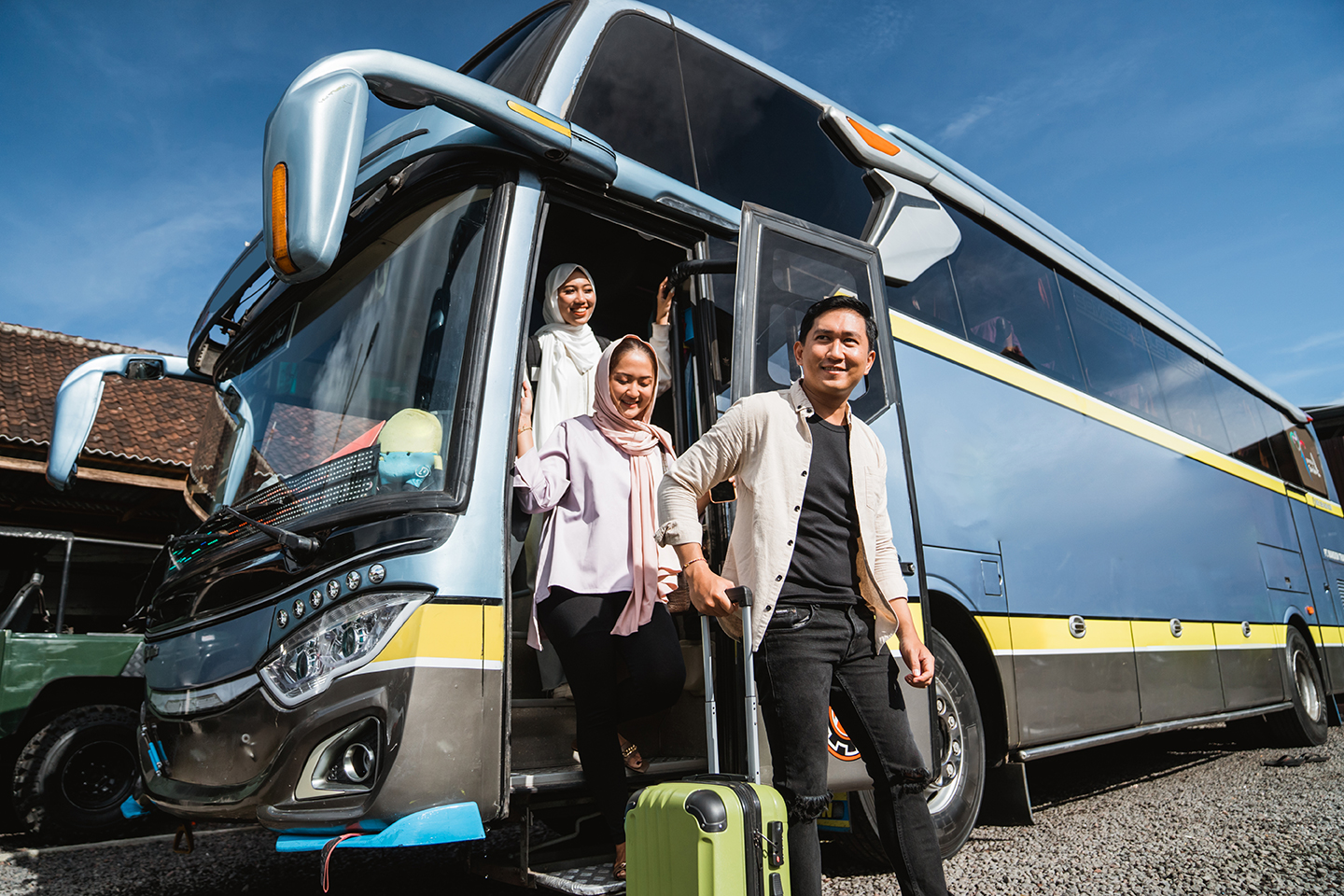
Coach Transportation typically refers to full-sized buses or mini-coaches that can accommodate anywhere from 20 to 45 passengers in a single vehicle. Modern coaches come equipped with air conditioning, comfortable seating, and often entertainment systems. They’re designed specifically for group movement with dedicated luggage storage and professional drivers experienced in coordinating large groups.
Multiple Luxury Vehicles means coordinating several sedans or MPVs, such as Mercedes-Benz S-Class sedans, V-Class vans, or similar premium vehicles. Each vehicle typically carries between three to seven passengers depending on the model, providing an intimate, high-end travel experience with personalized service.
The Core Decision Factors
Group Size and Dynamics
The most obvious factor is simply how many people you’re transporting, but the dynamics matter just as much as the numbers.
For groups of 15 or fewer, multiple luxury vehicles often make more sense. You gain flexibility in departure times, can accommodate different hotel pickup points without backtracking, and maintain the premium experience many clients expect. A wedding party of twelve, for instance, might prefer three V-Class vehicles that can depart from different locations and provide the luxurious atmosphere that matches the occasion’s formality.
Once you cross the 20-person threshold, coaches become increasingly practical. The logistics of coordinating five or six separate vehicles through Singapore’s traffic becomes complex, communication between drivers becomes challenging, and the risk of vehicles getting separated increases. A corporate team of 35 attending an off-site conference benefits from everyone traveling together, arriving simultaneously, and having a single point of coordination.
The middle ground between 15 and 25 people represents the most nuanced decision point. This is where you need to evaluate other factors like budget, event formality, and whether your group benefits from traveling together versus in smaller clusters.
Event Type and Formality
The nature of your event heavily influences which transportation style fits best.
Corporate Events and Conferences generally favor coaches for larger groups. When your company is flying in 40 employees for a regional meeting, a coach provides a mobile meeting space where team building begins the moment everyone boards. The logistics manager has one vehicle to track, one driver to coordinate with, and one arrival time to communicate to the venue. For executive leadership groups or client entertainment, however, multiple luxury sedans maintain the premium positioning your company wants to project.
Weddings present unique considerations. The bridal party often benefits from luxury vehicles that provide an intimate, celebratory atmosphere and photo-worthy arrivals. For guest transportation between ceremony and reception, especially with 30 or more guests, a coach handles the logistics more smoothly. Many couples opt for a hybrid approach: luxury vehicles for the wedding party and immediate family, with a coach for guest shuttling.
Family Gatherings and Reunions work well with coaches when everyone wants to stay together, share stories, and catch up during the journey. The communal atmosphere enhances the reunion experience. However, if you’re dealing with multiple generations including elderly relatives or very young children, the flexibility of multiple vehicles allows families to travel at their own pace with appropriate stops.
Tourist Groups and Sightseeing almost always benefit from coach transportation. A single vehicle simplifies coordination, allows the guide to engage with everyone simultaneously, and provides the luggage capacity tourists typically need. The elevated seating position in coaches also offers better viewing for sightseeing routes.
Route Complexity and Multiple Stops
How you’re moving your group matters as much as where you’re going.
Point-to-Point Transportation represents the simplest scenario. Moving your team from the office to a conference venue fifteen kilometers away works efficiently with either option. Here, your decision weighs more heavily on group size, budget, and desired experience rather than logistical complexity.
Multiple Pickup Locations strongly favor coaches for larger groups. Imagine coordinating a corporate event where participants are staying at five different hotels across Singapore. With multiple luxury vehicles, you’re managing complex timing, communication between drivers, and the risk of vehicles arriving at different times. A coach can efficiently route through all pickup points in a logical sequence with a single point of coordination. The time investment increases, but the operational complexity decreases dramatically.
Multiple Destinations present the opposite scenario. If your wedding guests need to go to three different hotels after the reception, multiple luxury vehicles provide far superior service. Each vehicle can proceed directly to its destination without passengers waiting while the vehicle makes other stops. A coach works when everyone shares the same destination, but becomes inefficient when the group needs to split.
Frequent Stops favor luxury vehicles when stops are personalized, but coaches when stops are group-wide. A full-day sightseeing tour with planned stops at Gardens by the Bay, Marina Bay Sands, and Sentosa works perfectly with a coach. Everyone experiences the same itinerary together. If your corporate group needs to visit three different client sites with different teams meeting each client, multiple vehicles provide the flexibility you need.
Budget Considerations Beyond the Quote
Transportation costs involve more than the initial quote, and understanding the full financial picture helps you make informed decisions.
Base Pricing Structure typically shows coaches as more cost-effective for larger groups on a per-person basis. A coach accommodating 40 people might cost twice what four luxury sedans cost, but the sedans only carry 12-16 people. However, this straightforward math doesn’t tell the complete story.
Hidden Costs and Efficiency Factors can shift the equation. Multiple vehicles mean multiple hours of driver time, multiple parking fees in premium locations, and potential toll charges multiplied by the number of vehicles. During peak hours or events when parking is scarce, a single coach may access dedicated bus zones while multiple luxury vehicles circle looking for parking. Your event coordinator spends less time managing one vehicle rather than coordinating four or five drivers.
Value-Added Benefits of luxury vehicles include the premium experience, photo opportunities, flexible timing for VIP guests, and the ability to provide different levels of service to different group segments. Your C-suite executives may genuinely benefit from private vehicle time to prepare for presentations or make phone calls, making the additional cost an investment rather than an expense.
Time-Based Pricing Considerations matter for events with uncertain timing. If your conference might run late, extending a coach booking is a single conversation. Extending four separate vehicles means four separate arrangements, potentially at premium overtime rates if any driver has another booking scheduled.
Comfort and Experience Factors
The physical experience of travel affects everything from productivity to event satisfaction.
Climate Control and Personal Space differ significantly between options. Singapore’s tropical climate makes air conditioning non-negotiable, and both options deliver this. However, luxury vehicles offer personalized climate control, more personal space per passenger, and the ability to control your immediate environment. Coaches provide adequate comfort but less individual control. For two-hour journeys, this distinction becomes meaningful. For fifteen-minute transfers, it rarely matters.
Privacy and Conversation Dynamics shape the social experience. Coaches create a community atmosphere where team building happens naturally, side conversations flow freely, and the journey becomes part of the event experience. This works wonderfully for team outings, family gatherings, and groups that benefit from social interaction. Luxury vehicles provide intimate spaces for smaller groups who need privacy, whether for confidential business discussions, bridal party bonding, or simply preferring quieter travel.
Luggage and Equipment Capacity often gets overlooked until it becomes a problem. A corporate group attending a multi-day conference might have laptops, presentation materials, and overnight bags. A coach’s dedicated luggage compartment handles this easily. Multiple luxury vehicles require passengers to share cabin space with luggage, reducing comfort. Wedding parties transporting garment bags, gifts, and personal items similarly benefit from coach storage capacity. Day trips with minimal luggage make this factor less relevant.
Accessibility Needs require careful consideration. Modern coaches can accommodate wheelchair users with proper lifts and securing systems, though boarding takes more time. Luxury vehicles provide easier access for mobility-impaired passengers who can transfer from a wheelchair but struggle with coach steps. Elderly passengers often find sedan entry and exit simpler than coach boarding. Assess your group’s specific needs rather than assuming either option works universally.
Flexibility and Contingency Planning
Transportation plans rarely survive contact with reality unchanged, so building in flexibility matters.
Schedule Changes happen frequently with group events. Meetings run long, ceremonies start late, or your group simply wants more time at a location. A coach provides ultimate simplicity: one driver to notify, one vehicle to redirect, one adjustment to make. Multiple luxury vehicles require coordinating several drivers simultaneously, with the risk that one doesn’t receive the update or has scheduling conflicts.
Group Splitting Scenarios sometimes emerge unexpectedly. Half your corporate group wants to return to the hotel while the other half continues to dinner. Multiple vehicles handle this scenario seamlessly, with each subset having their own transport. A coach forces everyone onto the same schedule or requires booking additional return transportation.
Emergency Situations reveal the importance of backup planning. A coach breakdown means everyone is stranded until replacement transport arrives, though professional operators maintain backup vehicles for this exact scenario. With multiple luxury vehicles, a mechanical issue affects only one subset of your group while others continue their journey. The probability of multiple simultaneous failures remains extremely low.
Communication and Coordination
The operational ease of managing group transportation directly impacts your stress level and event success.
Single Point of Contact represents one of a coach’s strongest advantages. You communicate with one driver or operations manager, receive updates from one source, and manage one vehicle’s status. Your attention stays focused on your event rather than juggling multiple conversations. This simplicity proves invaluable for event managers handling numerous other responsibilities.
Real-Time Tracking and Updates work more straightforwardly with a single vehicle. You know definitively whether your group has departed, is en route, or has arrived. Multiple vehicles mean monitoring several positions, confirming multiple arrivals, and potentially managing situations where vehicles arrive at different times due to traffic variations.
Guest Communication flows more smoothly when everyone shares the same experience. Announcing departure times, providing estimated arrivals, or communicating changes reaches everyone simultaneously in a coach. With multiple vehicles, ensuring all passengers receive information requires more deliberate communication systems.
Real-World Scenarios and Recommendations
Let’s examine specific situations to see how these factors combine in practice.
Scenario: Corporate Team Building for 35 Employees
Your company is planning a full-day team-building event at a resort 45 minutes outside the city. Everyone departs from the same office location, and the event runs from 9 AM to 5 PM.
Recommendation: Coach Transportation
The group size, single pickup and drop-off points, and fixed schedule make this ideal for a coach. Everyone travels together, team building begins during the journey, and you have one simple logistics arrangement. The coach provides adequate comfort for the journey length, and the group atmosphere enhances the team-building objective. Budget-wise, a coach proves significantly more economical than six luxury vehicles.
Scenario: Wedding Party Transportation for 10 People
You’re coordinating transport for the bridal party from hotels to the ceremony venue, then to photo locations, and finally to the reception.
Recommendation: Multiple Luxury Vehicles (2-3 V-Class MPVs)
The formality of the occasion, need for flexibility during photo sessions, and small group size favor luxury vehicles. The bridal party appreciates the premium experience, vehicles provide photo-worthy arrivals, and you can coordinate different timing for different photo sessions without affecting the entire group. The bride and groom might travel separately in one vehicle while bridesmaids and groomsmen share others, providing appropriate privacy and celebration moments.
Scenario: Conference Shuttle Service for 80 Attendees
Your company is hosting a three-day conference, and attendees are staying at four different hotels. You need morning transport to the conference venue and evening returns.
Recommendation: Multiple Coaches (2 coaches)
The large group size and multiple pickup locations require coach capacity, but 80 people exceeds a single coach’s practical capacity for maintaining reasonable pickup schedules. Two coaches can each handle a logical geographic grouping of hotels, providing more efficient routing. The fixed schedule of conference days suits coach transportation, and the per-person cost remains the most economical option for this scale.
Scenario: Executive Client Entertainment for 8 People
You’re hosting key clients for dinner at a fine dining restaurant, with pickups from different locations and varying end times.
Recommendation: Multiple Luxury Vehicles (2-3 Sedans)
The small, high-value group and need for premium presentation make luxury sedans the clear choice. Individual pickups, flexibility for different dinner conclusion times, and the executive-level experience justify the cost. This situation prioritizes impression and convenience over economy, and luxury sedans deliver both.
Scenario: Extended Family Vacation Transfer for 22 People
Three families totaling 22 people are traveling together from the airport to a resort, with considerable luggage.
Recommendation: Hybrid Approach (1 Coach + 1 Luxury Vehicle)
Consider a coach for the main group (18-20 people) with abundant luggage capacity, plus one luxury vehicle for grandparents or a family with very young children who benefit from more flexibility and personalized attention. This balances group cohesion with individual needs, manages the luggage challenge effectively, and costs less than four or five separate luxury vehicles while providing more consideration than forcing everyone into a one-size-fits-all solution.
Making Your Decision
Start by answering these key questions:
- How many people are traveling, and what’s their relationship dynamic? Do they benefit from traveling together or separately?
- What’s the formality level of your event, and does your transportation need to match or support that positioning?
- Are you moving point-to-point, or does your itinerary involve multiple stops, pickups, or destinations?
- What’s your realistic budget, and are you optimizing for economy, experience, or a specific balance?
- Does anyone in your group have accessibility needs, significant luggage, or special requirements?
- How important is schedule flexibility versus operational simplicity?
- Your answers to these questions, more than any single factor, will guide you toward the right choice.
Working With Your Transportation Provider
Regardless of which option you choose, communication with your transportation provider makes the difference between smooth logistics and stressful complications.
Provide Complete Information Early
Share your complete itinerary including addresses, timing expectations, and any special requirements. Mention if parking might be limited, if your event is in a restricted area, or if you anticipate timing changes. Professional providers use this information to recommend the best approach and plan contingencies.
Discuss Flexibility Options
Ask about overtime policies, schedule change procedures, and backup plans for various scenarios. Understanding these details before booking prevents surprises and gives you confidence in your plan.
Consider a Site Visit or Consultation
For complex events or large groups, investing time in planning with your transportation provider pays dividends. They can identify potential challenges, suggest timing optimizations, and ensure their recommendations fit your specific situation rather than generic assumptions.
The Bottom Line
Neither coaches nor multiple luxury vehicles are universally superior—each excels in different circumstances. Coaches provide operational simplicity, group cohesion, and economical transportation for medium to large groups with straightforward logistics. Multiple luxury vehicles deliver premium experiences, schedule flexibility, and personalized service for smaller groups or situations requiring operational versatility.
The best choice emerges from honestly assessing your specific situation, priorities, and constraints rather than following assumptions about what’s “better.” Groups of 20 aren’t automatically coach events, and VIP guests don’t always require individual vehicles.
Take time to evaluate your needs, communicate clearly with your transportation provider, and choose the option that makes your event run smoothly while meeting your specific objectives. Your transportation should enhance your event experience, not become a source of stress or compromise.
Need help deciding which transportation option fits your group event? Our experienced team can assess your specific requirements and recommend the most effective solution for your needs. Contact us to discuss your upcoming group transportation.